10 Things to Check Before Buying a House in Nepal (2026 Guide)
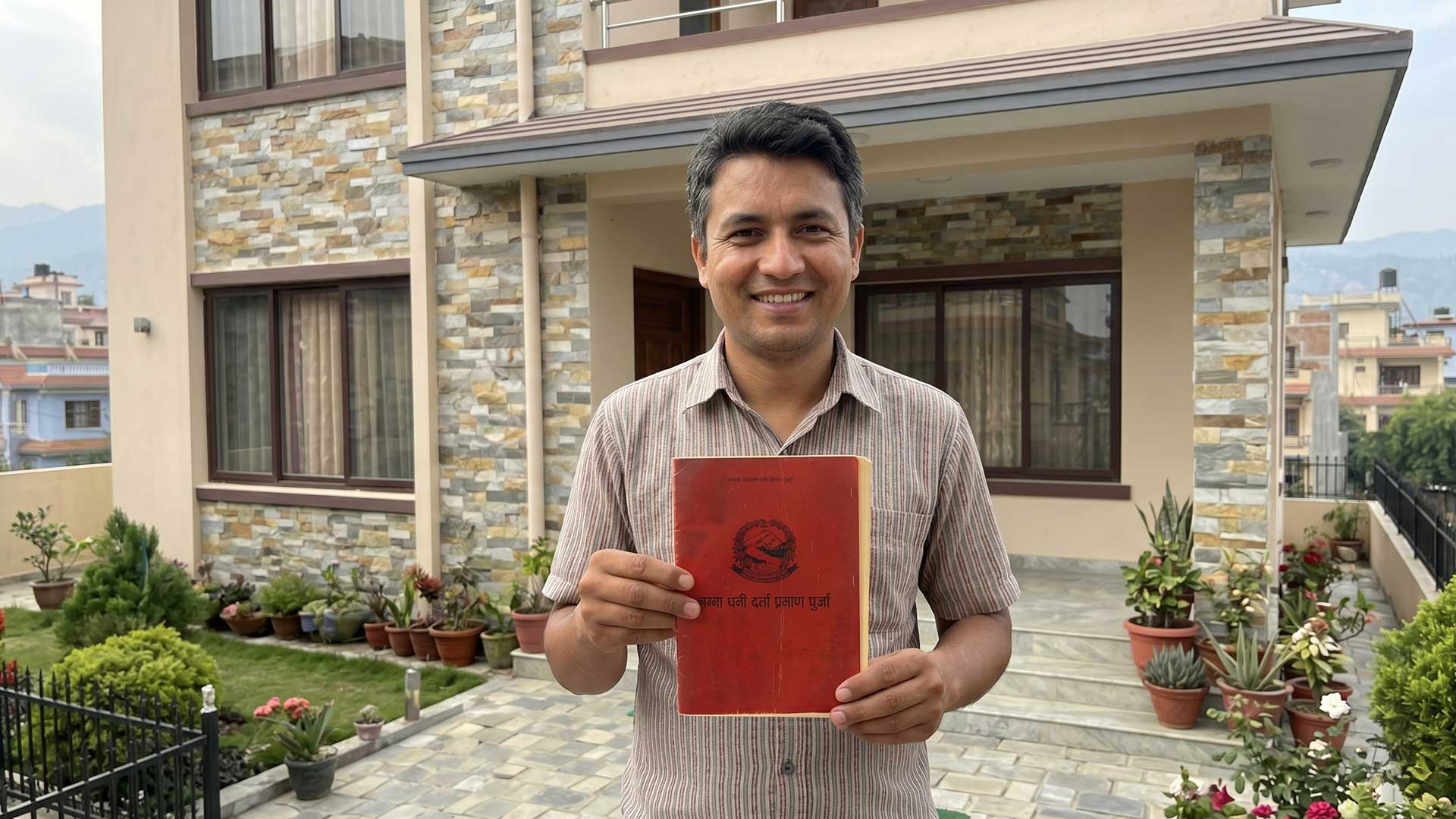
Buying a house is one of the biggest financial decisions most people will ever make. It is exciting, emotional, and often life-changing, but in Nepal, it also requires careful checking and due diligence. Whether you are planning to settle in Kathmandu or invest in fast-developing areas of Lalitpur, a single mistake can lead to legal issues, financial loss, or long-term regret.
That’s why a proper checklist is not just helpful, it is essential. Below are the 10 most important things you must carefully check before buying a house in Nepal, explained in detail in a practical, real-world way.
1. Verify Legal Ownership and Property Documents
The first and most important step is verifying ownership. You should never rely only on verbal confirmation or advertisements. Always ensure the seller is the legal owner of the property by checking official documents such as the Lalpurja (land ownership certificate), citizenship details, and past ownership history.
In Nepal, properties sometimes go through inheritance, joint ownership, or previous transfers, so it is crucial to confirm that all legal records are clean and updated. Any mismatch in names, unclear inheritance claims, or missing documentation can create serious legal disputes in the future. If something feels unclear, it is always better to consult a legal expert before proceeding.
2. Understand Land Type and Usage Classification
Before buying a house, it is important to understand what type of land the property is built on. In Nepal, land is typically categorized as residential, agricultural, or mixed-use, and this classification directly affects whether you can legally build or modify a house.
Many buyers overlook this detail and later face issues when trying to renovate or expand their property. Residential land is generally the safest and most suitable option for housing. Always ensure that the property you are buying is legally approved for residential use and complies with local municipality regulations.
3. Location, Accessibility, and Daily Convenience
Location is not just about prestige, it directly impacts your daily life and long-term property value. A house located in a peaceful area but far from essential services may become inconvenient over time.
Before buying, carefully check road access, transportation availability, distance to schools, hospitals, grocery stores, and workplaces. In rapidly growing areas like Imadol, accessibility has become one of the biggest reasons for rising property demand, as improved connectivity makes daily commuting much easier.
A well-located property will always offer better comfort today and stronger resale value in the future.
4. Neighborhood Environment and Safety
The house itself is important, but the surrounding neighborhood is equally critical. A property located in a well-maintained, peaceful, and safe environment will significantly improve your quality of life.
It is highly recommended to visit the area at different times of the day, morning, afternoon, and evening—to understand noise levels, traffic conditions, cleanliness, and overall community behavior. A neighborhood that looks quiet during the day may behave differently at night, so proper observation is important before making a decision.
5. Water Supply, Electricity, and Basic Utilities
One of the most common issues in many residential areas of Nepal is inconsistent access to basic utilities. Before buying a house, you must ensure that the property has a reliable water supply, stable electricity connection, and proper drainage systems.
Water scarcity, in particular, can become a long-term problem in some urban and semi-urban areas. It is also important to check whether the house has backup systems such as water tanks, underground storage, or alternative supply arrangements. These basic facilities directly affect your daily comfort and long-term livability.
6. Construction Quality and Structural Strength
A house may look beautiful from the outside, but what truly matters is its construction quality. Before purchasing, carefully inspect the structure, including walls, foundation, roofing, and overall finishing quality.
Cracks in walls, poor plastering, weak beams, or low-quality materials can indicate future maintenance problems. If possible, it is always wise to bring a civil engineer or construction expert for inspection. A structurally weak house can lead to expensive repairs and even safety risks over time.
7. Road Access and Future Infrastructure Development
Road access is one of the most important factors affecting both convenience and property value. A house with wide and well-maintained road access will always be more valuable than one in a poorly connected area.
You should also check whether the area is included in any government infrastructure or development plans. Future road expansions, drainage projects, or urban development plans can significantly increase property value. This is especially relevant in growing regions of Lalitpur, where suburban expansion is happening rapidly.
8. Legal Approvals and Building Permits
Every house in Nepal must have proper approvals from local municipalities or relevant authorities. Before buying, make sure the property has valid building permits, tax clearance certificates, and approved construction plans.
Unauthorized or illegal construction can lead to serious issues, including penalties or demolition orders. Even if the house looks perfect, lack of legal approval can make it a risky investment. Always verify documentation thoroughly before making any financial commitment.
9. Market Price Comparison and Real Value
Never assume the asking price is the actual market value. In high-demand areas like Kathmandu, prices can sometimes be inflated due to demand or speculation.
It is important to compare similar properties in the same area, check recent transaction trends, and understand the average price per square foot or anna. Doing basic market research can help you avoid overpaying and ensure that you are getting fair value for your investment.
10. Future Resale Value and Investment Potential
Even if you are buying a house for personal use, you should always consider its future resale value. A good property is not just comfortable today, it should also remain valuable in the future.
Factors such as location growth, infrastructure development, neighborhood quality, and demand trends all influence future appreciation. Areas that are currently developing, especially around Lalitpur, often offer strong long-term investment potential.
Thinking ahead ensures that your investment remains financially strong even years later.
Final Thoughts
Buying a house in Nepal is not just a purchase, it is a long-term commitment and a major financial decision. Taking time to carefully evaluate legal documents, location, construction quality, and future growth potential can protect you from costly mistakes and help you make a confident decision.
If you are planning to buy a home and want verified listings, trusted guidance, and professional support, Shree Homes Nepal is here to help you find the right property that fits your needs and investment goals.